Landscaping Design

How to Choose Eco-Friendly “Landscape Design Build” Materials

How to choose eco-friendly landscape Design Build materials

You walked a new project site in Orlando and stopped at a pile of pavers. The choice felt heavy. You wanted low water use, recycled content, and a clear budget.

Start by defining your eco goals. Set water targets, sourcing limits, and upkeep expectations. Match those to cost and timeline. This step guides every material pick for your landscape.

Pick a contractor with verified credentials. Confirm FNGLA, FCLD, or FCHP credentials and local experience. Insist on one company to manage both landscape design build to avoid gaps in work and delays.

Ask direct questions about recycled content, local sourcing radius, and permeable ratings. Require detailed plans that show species, lighting, irrigation, and material specs. Establish milestones and warranty terms before work begins.
Landscape Design Las Vegas

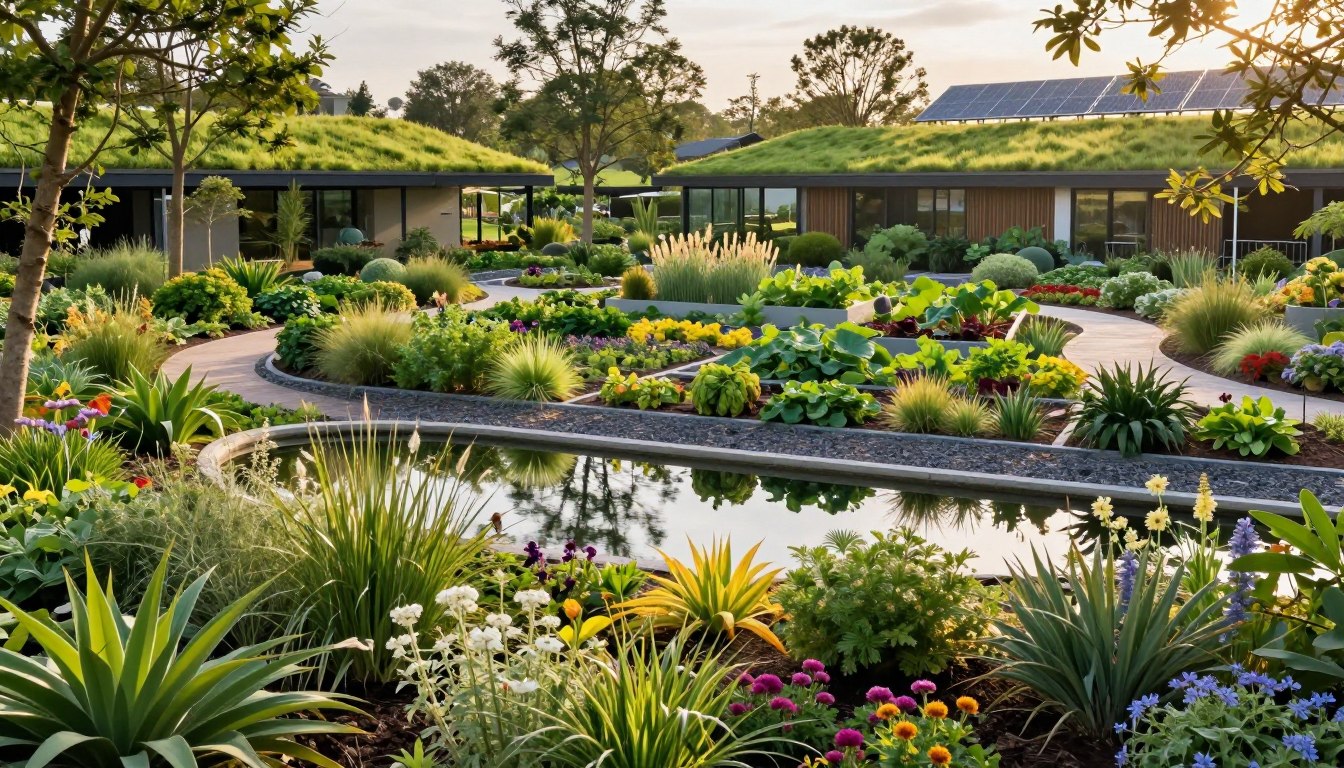
Designing a sustainable landscape Design build that aligns with your project goals

Define measurable targets for water, sourcing, and maintenance before drafting any plans. Set hydrozones, material sourcing radius, and a maintenance level. This gives the plan clear limits. It also speeds approvals and reduces changes.

What “eco-friendly” means today for residential and commercial projects

Prioritize water efficiency and right-plant-right-place for Central Florida. Use recycled content and materials with low heat gain. Confirm HOA needs with clear legends and counts.

Balancing aesthetics, durability, and environmental impact

Choose a consistent look that matches your home and backyard. Favor locally sourced aggregates and long-life fixtures to cut embodied carbon. Set minimum quality targets for lighting, pavers, and mulch.

Assessing site needs: soil, climate, irrigation, and outdoor living uses

Test soil and map sun, wind, and drainage. Zone irrigation by water need. Allocate spaces for cooking, dining, and play with clear edges and permeable transitions.

Site Factor Action Benefit Typical Spec
Soil Test and amend Better plant survival pH, organic matter report
Water Hydrozone irrigation Lower consumption Smart controller, drip
Access Phase by area Less site disturbance Staged mobilization

Eco-smart material choices for hardscape, plantings, irrigation, and lighting

Select materials that meet water, heat, and maintenance targets for your Las Vegas landscape design build. Begin with a hardscape strategy that effectively manages runoff, reduces urban heat, and integrates seamlessly with your garden design. Specify permeable pavers with an open-graded base to allow water infiltration, prevent pooling, and enhance long-term durability. Source aggregates locally to reduce transportation emissions, cut costs, and maintain a natural, regionally appropriate aesthetic.

Hardscape with a lighter footprint

Opt for recycled-content pavers when specifications confirm adequate compressive strength, slip resistance, and durability. Favor permeable surfaces to support soil recharge, mitigate stormwater runoff, and lower your garden’s environmental impact. Ensure that base depths, compaction, and installation practices are thoroughly documented and followed to achieve long-lasting results. Incorporating these strategies in your landscape design build not only benefits the environment but also enhances usability, comfort, and curb appeal.

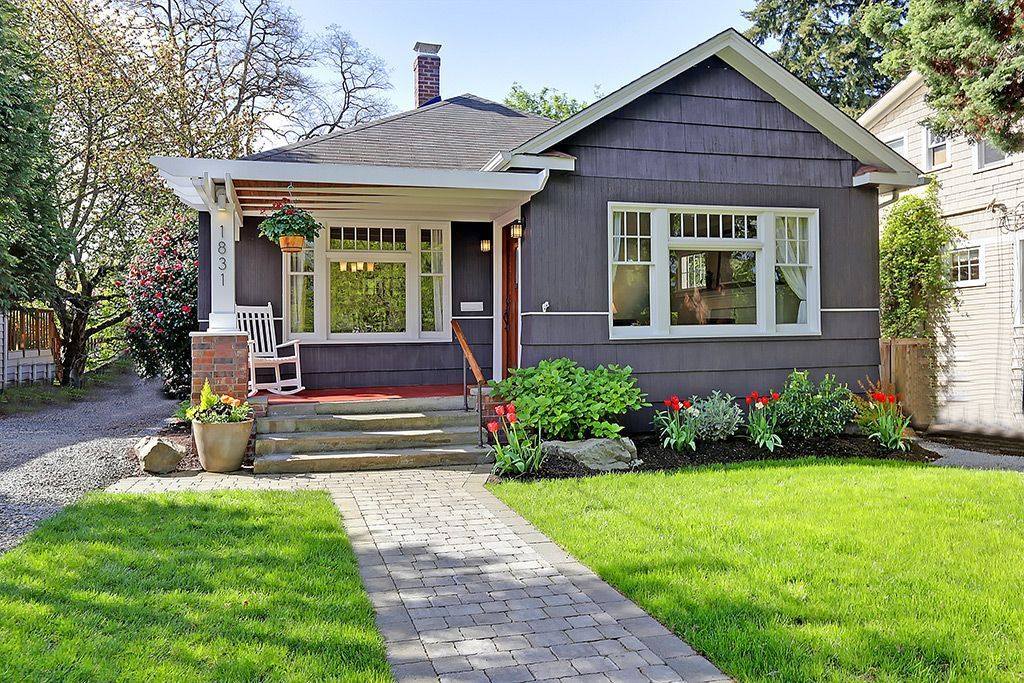
A stone pathway leads to a house with a pergola, showcasing a well-designed hardscape in a serene outdoor setting.

Plant selections that thrive

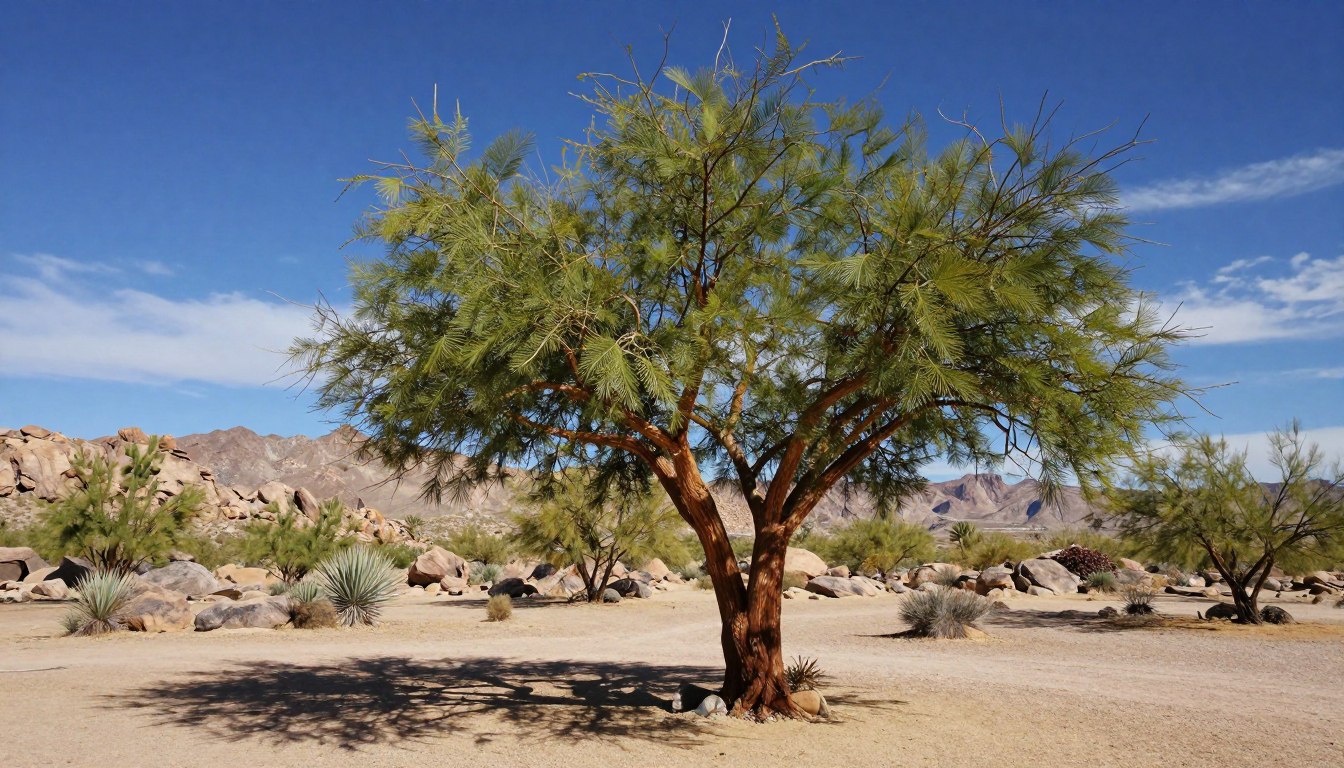
Specify Florida-friendly, drought-tolerant species for your landscape design build. Group plants by water need into hydrozones, diversify species to reduce pest risks, and boost resilience.

Water-wise systems and lighting

Design irrigation services with matched-precipitation nozzles, pressure regulation, and smart controllers. Place and commission sprinkler heads to avoid overspray onto hardscape and pool decks.

Choose LED fixtures with proper optics and 2700–3000K color. Shield fixtures to control glare and protect neighbors and wildlife.

Material Benefit Installation Check
Permeable pavers Runoff reduction Base depth, compaction
Recycled pavers Lower embodied carbon Strength test, slip rating
Artificial turf Low water use Edge restraint, permeability

Landscape Design Build services that bring eco-friendly visions to life

A single point of responsibility reduces delays and limits costly changes on site. Choose a company that handles consultation, procurement, and installation so work flows without gaps.

From consultation to installation: one contractor, start-to-finish accountability

Require a team led by FNGLA FCLD or FCHP professionals. Expect a daily foreman, checklists, and photo logs for underground work. This enforces quality and limits unexpected changes.

Certified expertise you can trust

BLG Environmental Services and similar companies provide certified teams for irrigation and LED lighting. Confirm credentials and ask for documented standards and warranties.

Outdoor living solutions and local experience

Expand outdoor living spaces with pavers, pergolas, fencing, pool-adjacent zones, and outdoor kitchens. Use firms familiar with Central Las Vegas soil, irrigation zoning, and lighting performance.

Conclusion

Finish your work with documented goals that protect long-term performance. State water, heat, and material targets, and record standards for procurement and installation.

Use certified teams like Taylormade Landscapes that ensure a single company handles your landscape design build to streamline the process. Phase the project to limit disruption and apply a commissioning plan for irrigation, LED lighting, and plant health.

Plan maintenance from day one. Define pruning and inspection intervals, set measurable metrics, and track gallons saved, LED wattage reductions, and permeable area added.

Engage a qualified partner now. Align scope, schedule, and budget to turn your sustainable landscape dreams into durable results with fewer changes and longer life.

FAQ

How do I choose eco-friendly landscapdesign build materials?

Start by prioritizing locally sourced and recycled options. Choose permeable pavers, reclaimed stone, and low VOC sealants. Evaluate material longevity and maintenance needs. Pick products with environmental certifications. Factor transport distance and installation methods to reduce carbon footprint.

What does “eco-friendly” mean today for residential and commercial landscaping?

Eco-friendly means minimizing resource use and pollution while supporting ecosystem health. Use native or Las Vegas-friendly plants, conserve water, reduce chemical inputs, and select durable, recyclable hardscape materials. Include systems that support biodiversity and efficient irrigation.

How do I balance aesthetics, durability, and environmental impact in a design?

Set priorities for your project: visual goals, lifespan, and maintenance budget. Choose materials that meet appearance needs and are rated for local climate. Combine durable hardscape with low-water plantings. Test small areas before full installation to ensure performance and look.

What site factors should I assess before planning a sustainable landscape design build?

Inspect soil type and drainage, sun and shade patterns, native vegetation, and existing irrigation. Note outdoor living uses and foot traffic. Run soil tests for pH and nutrients. Use findings to specify plants, irrigation zones, and erosion controls.

Which hardscape options have a lighter environmental footprint?

Choose locally quarried stone, recycled concrete pavers, and permeable paving systems. Use compacted gravel or crushed shell where appropriate. Specify breathable joint materials and avoid high-embodied-energy products like some cast concrete mixes.

How do I select plants that will thrive in Las Vegas and reduce long-term maintenance?

Choose Las Vegas-friendly and drought-tolerant species adapted to local soils and climate. Favor native shrubs, grasses, and trees that provide habitat and require less fertilizer. Group plants by water needs and phase new plantings to monitor performance.

What are the best practices for water-wise irrigation?

Design zones by plant type and sun exposure. Install smart controllers and weather sensors. Use drip irrigation for beds and precision sprinkler heads for turf. Schedule watering for early morning and regularly audit system performance for leaks or misalignment.

How can outdoor lighting be energy-efficient without compromising safety?

Specify LED fixtures with appropriate lumen output and warm color temperature. Use timers and motion sensors. Place fixtures for task and path illumination only. Choose low-voltage transformers and shield fixtures to reduce light spill and energy use.

When is artificial turf a good alternative to natural lawn?

Use artificial turf where water restrictions, heavy use, or maintenance limits make natural grass impractical. Evaluate heat retention, infill choices, and underlay for drainage. Consider hybrid approaches—synthetic turf in high-use zones and native groundcover elsewhere.

How do I verify quality and sustainability when sourcing materials?

Request product certifications, material data sheets, and manufacturer installation guidelines. Check for recycled content, EPDs, and local sourcing claims. Ask contractors for references and proof of previous installations using the same products.

What does a full-service design and installation contractor provide?

A single contractor manages assessment, permitting, detailed plans, material procurement, and installation. They coordinate subcontractors, handle irrigation and lighting wiring, and provide warranties. This reduces project overlap and ensures accountability.

What certifications should I look for in a landscaping team?

Look for FNGLA certifications such as FCLD and FCHP. Seek licensed irrigation contractors and licensed electrical installers for lighting. Verify liability insurance and local licenses. Certifications indicate knowledge of regional best practices.

What outdoor living features can be integrated sustainably?

Incorporate permeable paver patios, native-plant buffer beds, shaded pergolas, efficient outdoor kitchens, and pool-adjacent plantings that reduce runoff. Use durable, low-maintenance materials and zone irrigation to limit water use.

Why does local experience matter for Central Las Vegas projects?

Las Vegas has unique soils, storm patterns, and plant pests. Local contractors understand irrigation restrictions, salt-tolerant species, and required grading for hurricane resilience. Their experience reduces rework and improves long-term performance.

How can I evaluate a contractor’s past client satisfaction?

Request recent project photos, references, and online reviews. Ask for before-and-after documentation and maintenance records. Contact prior clients about responsiveness, adherence to budget, and long-term plant survival.

How do installation methods affect sustainability and durability?

Proper base preparation, correct irrigation layout, and certified installation techniques extend system life and reduce waste. Mistakes such as improper compaction or poor drainage lead to failures. Insist on manufacturer-recommended methods and qualified crews.

Related Articles

landscape design build
Front Yard Landscaping: Design & Build Guide
Plants Installation
How to Prepare Soil for Successful Plants Installation
Menu