TL;DR: A zero-depth water feature often suits Las Vegas families who want simple upkeep, lower water use, and easy entry. A traditional pool is the better choice for swimming, exercise, diving, and extended recreation.
Which option fits your yard, budget, and summer routine best?
Las Vegas heat makes outdoor water recreation appealing, but desert conditions add important questions. Available space, conservation goals, installation cost, and daily maintenance all shape the decision.
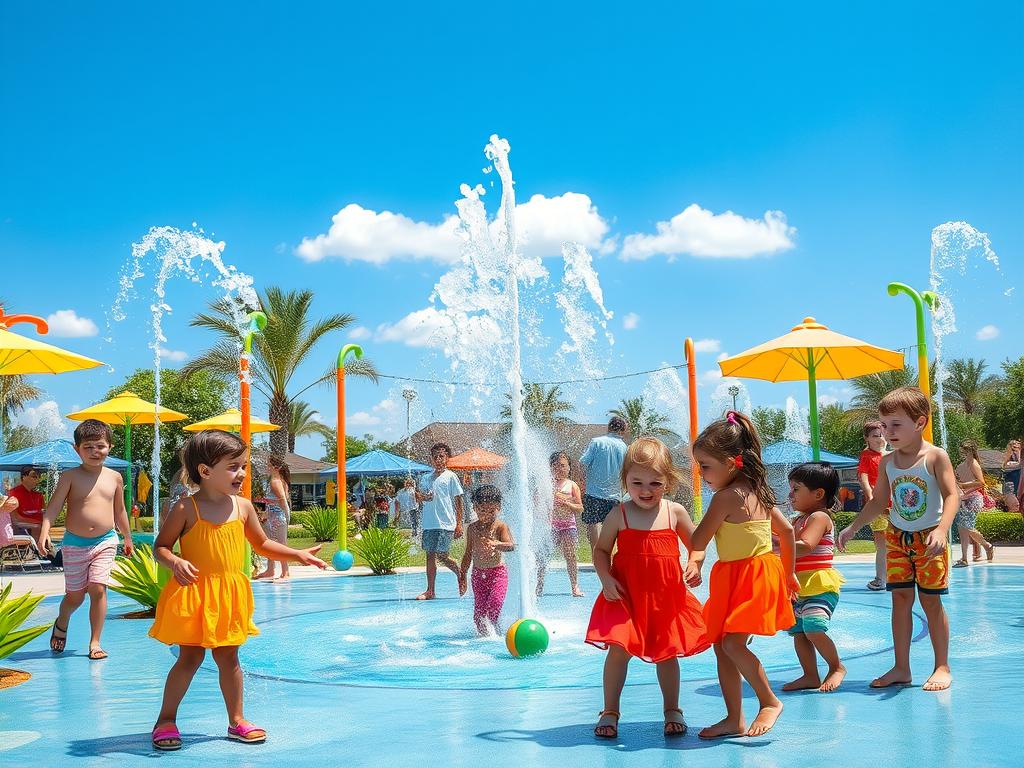
Interactive features use sprays, jets, and fountains across a flat surface. Children can play without standing water, while adults gain easier supervision. Traditional pools offer immersion, floating, laps, diving, and a deeper swimming experience.
Cost also varies widely. An inflatable kiddie pool may cost about $20, yet frequent draining and refilling can waste water. Permanent installations require more planning, equipment, and upkeep. The CDC also identifies drowning as a leading injury-related cause of death for children under age four, making safety a central concern.
Key Takeaways
- Zero-depth features suit play and easier access.
- Traditional pools support swimming and fitness.
- Las Vegas water conservation affects long-term value.
- Yard size and household habits guide the choice.
- Safety, chemicals, equipment, and seasonal care need comparison.
Splash pad vs pool: Which Option Is Better for Las Vegas Homes?
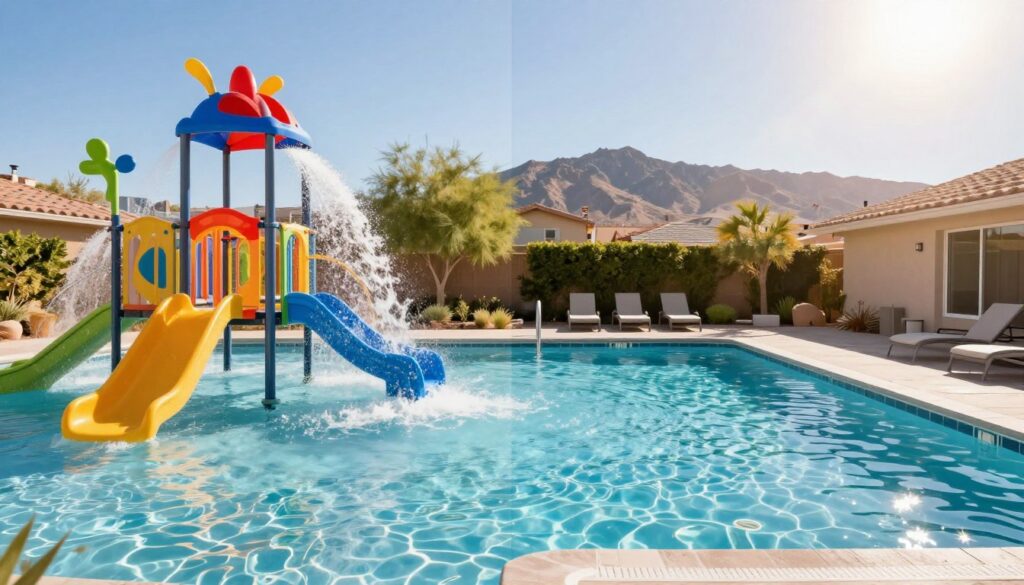
For most Las Vegas families, a splash pad offers easier cooling, simpler upkeep, and safer entry for young children. A pool makes more sense when residents want laps, diving, floating, lessons, or frequent fitness sessions.
The Quick Answer for Families and Property Owners
Zero-depth water play welcomes toddlers, seniors, children with disabilities, and adults without swimming skills. Parents can supervise active play without managing deep water. Seasonal operation also reduces staffing demands, and public features do not require lessons or memberships.
Older children and teens may prefer a traditional pool for skill building and longer recreation. These installations often require lifeguards, stricter safety steps, and more equipment. Your budget, available space, household ages, and expected use days should guide the decision.
How Las Vegas Heat and Water Restrictions Affect the Choice
Desert heat increases the value of recirculation systems, motion sensors, and timed spray controls. These features run water during active use and support conservation. A smaller design may suit limited yard space, while a larger installation may serve families that plan regular summer use.
What Is a Backyard Splash Pad?
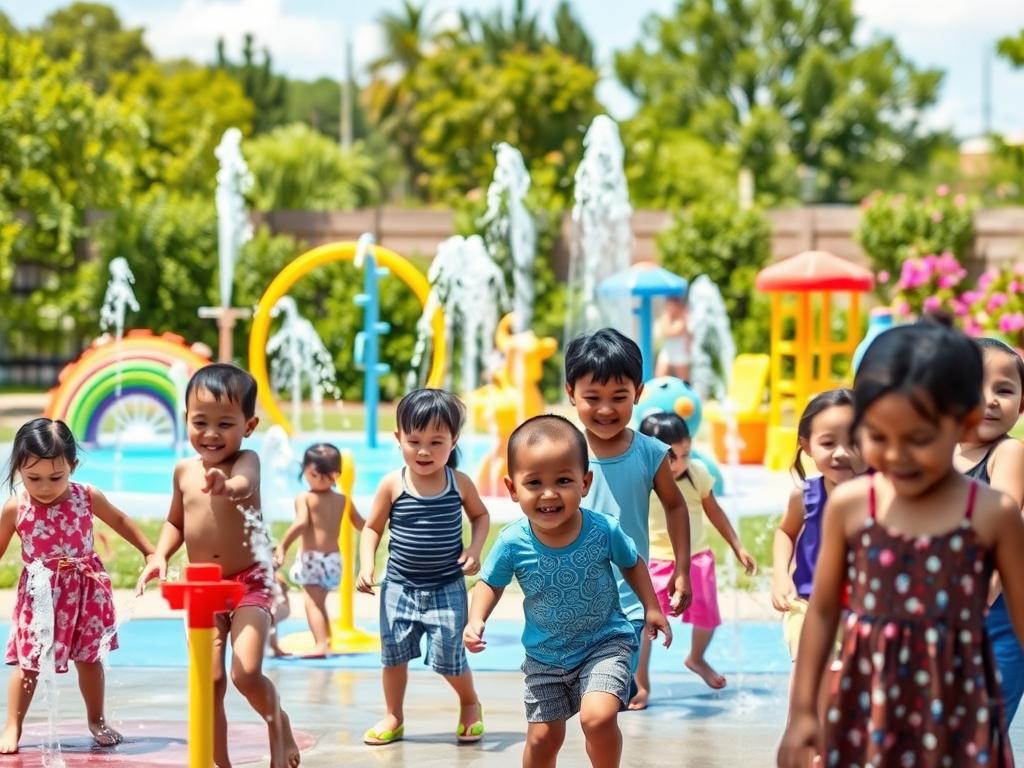
A backyard splash pad is a flat, zero-depth water-play area. Children move through jets, arches, sprays, misters, and fountains instead of entering a deep basin. It offers active cooling without requiring swimming skills.
Interactive Sprays, Jets, and Zero-Depth Water Play
Interactive features support movement, coordination, and sensory play. Triggers can start water effects when children touch or step near them. A textured, slip-resistant surface may provide better traction when wet. Many designs also support mobility devices and align with ADA access goals.
Recirculation Systems and Water-Saving Features
Pumps move water through drains, filters, and treatment equipment. Recirculation systems clean and reuse the same water rather than sending it away after each session. Timers and motion sensors limit flow during quiet periods. Some systems can route treated water to landscape irrigation, where local rules allow it.
Good maintenance still matters. Owners should inspect drains, test water quality, clean filters, and check pumps on a regular schedule. These steps help protect users and preserve reliable operation.
| Component | Primary Function | Efficiency Benefit |
|---|---|---|
| Jets and triggers | Create responsive water play | Runs water during active use |
| Drain and filter | Capture debris and circulate water | Supports water reuse |
| Timer and sensor | Controls operating periods | Reduces unnecessary flow |
What Does a Traditional Swimming Pool Offer?
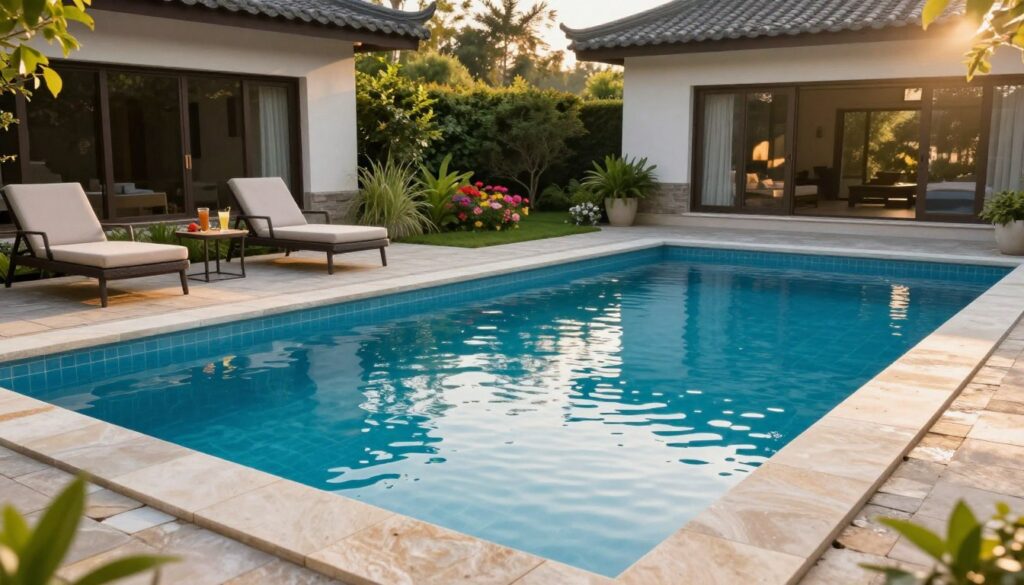
A traditional swimming pool is the stronger choice for lap training, floating, diving, lessons, water sports, and structured exercise. Its deep-water design supports active recreation for older children, teens, and adults who have solid swimming skills.
Swimming, Floating, Exercise, and Skill Building
These water areas can serve several ages. Young children may build confidence with lessons, while adults can train, exercise, or relax. Unlike spray-based play, a traditional pool supports formal skills such as treading water, stroke technique, and safe diving.
Greater depth also requires stronger safety controls. Families need close supervision, clear rules, secure access, and proper instruction. Public swimming pools may require lifeguards, while home owners should plan for pumps, filters, heaters, chemical treatment, cleaning, and inspections.
Stairs, ladders, ramps, and lifts can improve access. Equipment choices depend on user needs, site design, and local requirements.
| Feature | Primary Benefit | Key Planning Need |
|---|---|---|
| Deep water | Supports diving and lap swimming | Active supervision |
| Training space | Builds swimming skills and fitness | Regular instruction |
| Filtration system | Keeps water clear and treated | Routine service |
| Access equipment | Helps users enter safely | Suitable stairs, ramps, or lifts |
Upfront and Long-Term Costs Compared
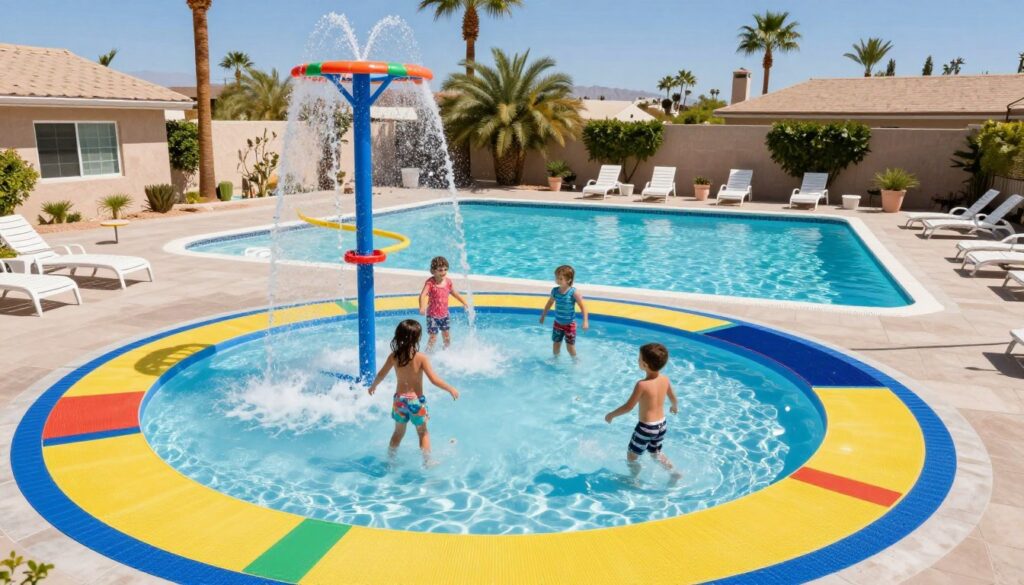
Water features differ in both purchase price and daily demands. A clear plan helps homeowners compare the first invoice with recurring expenses over time.
Installation Costs and Required Equipment
An inflatable kiddie pool may cost as little as $20, but permanent designs require more planning. A traditional pool often needs excavation, a basin, plumbing, filtration, access features, and possible heating equipment.
A splash pad usually avoids deep excavation and a large basin. However, pumps, drains, filters, treatment equipment, durable surfacing, controls, and skilled installation still affect the budget.
Ongoing Utilities, Chemicals, and Staffing Needs
Recurring costs can include electricity, chemicals, water, heating, cleaning, repairs, inspections, and professional service. A public pool may also need lifeguards. A private zero-depth system often needs less staffing, but maintenance remains important.
| Factor | Zero-Depth System | Traditional Pool |
|---|---|---|
| Installation | Moderate equipment and surface work | Excavation, basin, and access features |
| Utilities | Pumping, filtration, and treatment | Pumping, heating, filtration, and treatment |
| Staffing | Usually limited | May require lifeguards in public settings |
| Upkeep | Regular cleaning and inspections | Frequent cleaning, testing, and repairs |
How Budget and Available Space Shape the Decision
A small yard, limited budget, and desire for less recurring work may favor a zero-depth design. Families who value swimming, fitness, and longer sessions may find the higher cost worthwhile.
Water Use and Environmental Impact in Las Vegas
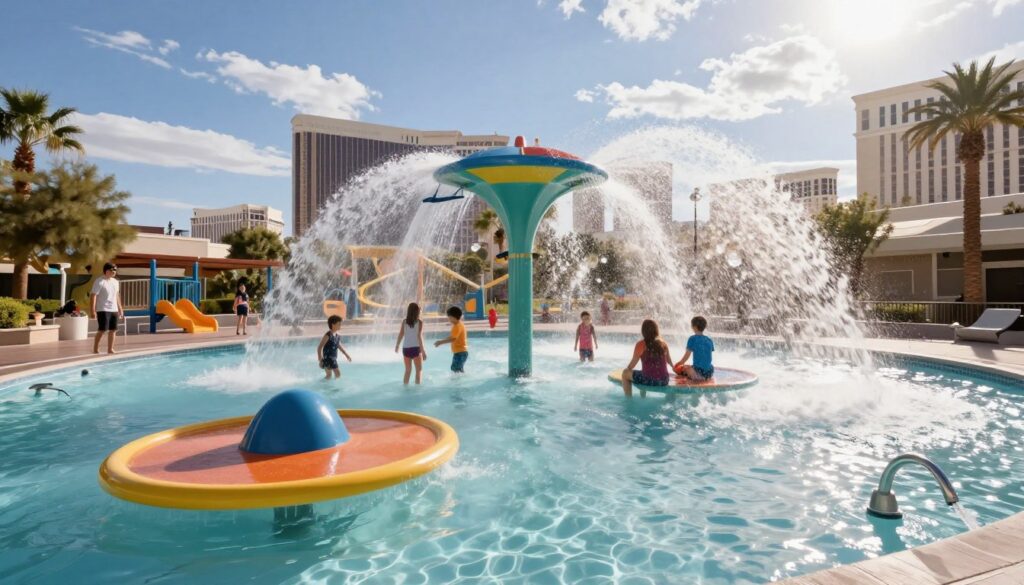
Las Vegas heat makes water planning essential for any outdoor recreation feature. A recirculating design can support family play while limiting waste and operating costs.
How Splash Pads Reuse and Conserve Water
Water-saving splash pads send treated water through jets, drains, filters, and pumps. The system reuses water instead of discarding it after each session. Motion sensors and timed controls also stop flow when children leave the play area.
Some community designs connect treated discharge with irrigation. This approach may support nearby landscapes or gardens when local rules allow it. A zero-depth layout also avoids holding a deep basin between uses.
Why Pool Evaporation and Refilling Matter in the Desert
Swimming pools lose water through evaporation, splash-out, leaks, filter backwashing, and routine refilling. Losses vary with surface size, wind, temperature, equipment, and user activity. Covers, leak checks, and efficient schedules can reduce demand.
| Factor | Zero-Depth System | Swimming Pool |
|---|---|---|
| Water movement | Recirculates through treatment equipment | Requires evaporation control and refilling |
| Flow control | Sensors and timers limit operation | Use patterns affect water loss |
| Planning step | Review discharge and irrigation rules | Check cover, leaks, and backwash needs |
Maintenance and Upkeep Requirements
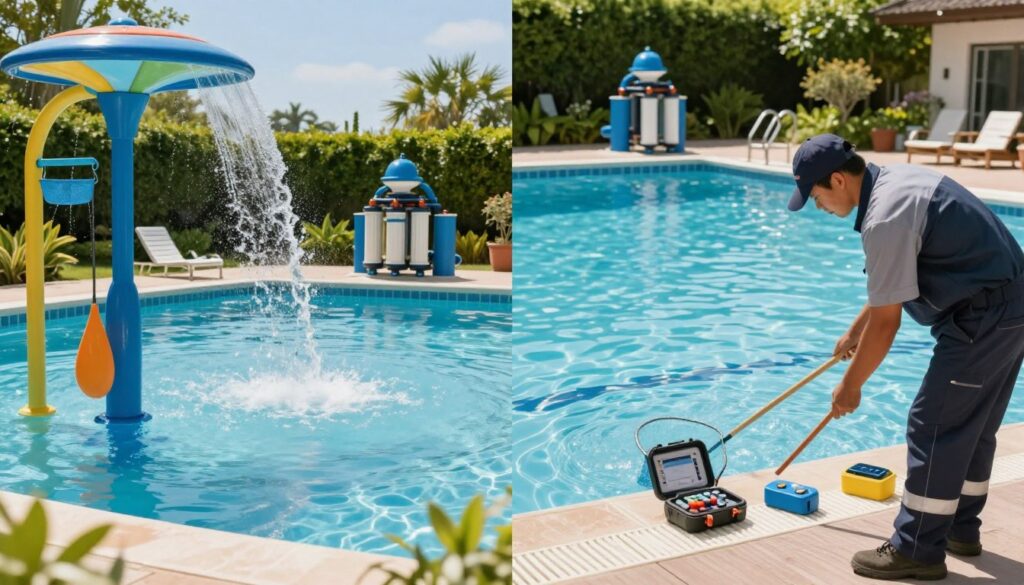
Daily routines differ by design, but every water feature needs a clear care plan. On hot days, quick checks help catch debris, cloudy water, leaks, or damaged controls before use.
Cleaning, Pumps, Filters, and Chemical Treatment
A traditional pool requires regular chemical testing, skimming, vacuuming, and surface cleaning. Owners should also inspect pumps, filters, heaters, drains, and safety equipment. This maintenance often takes more time because the system holds a larger volume of treated water.
A splash pad uses automated controls and recirculated water, but it still needs careful maintenance. Staff or homeowners should rinse the surface, clear drains, inspect filters and pumps, and check sanitizer levels on operating days. Recirculation reduces waste, yet it does not replace sanitation or water-quality testing.
Seasonal Operation and Off-Season Care
On busy days, a small kiddie pool may need draining, cleaning, drying, and refilling after use. That repeated work can add up over several days. Before warmer days return, inspect surfaces, reconnect equipment, test controls, and confirm proper drainage.
At season’s end, drain or winterize equipment, protect pumps, secure controls, and clean all surfaces. A splash pad may operate as a dry play area during off-season days, which limits water use while keeping the space useful.
Safety Differences for Children and Families
A zero-depth water area generally creates a lower drowning risk than a traditional pool because it does not retain standing water. Still, reduced risk does not mean zero risk. Active adult supervision remains essential for children, especially young children.
The CDC identifies drowning as a leading injury-related cause of death for children under age four. Barriers, close supervision, and safe design matter around every water feature. Even a kiddie pool with about 6 to 12 inches of standing water can become dangerous.
Standing Water and Drowning Risk
A splash pad does not hold standing water, which can lower the risk of drowning. However, parents should stay within reach of young children and keep clear sightlines. Kids can still slip, fall, or enter a spray zone unexpectedly.
Slip-Resistant Surfaces and Supervision
Safety features include slip-resistant surfacing, rounded edges, low-pressure jets, strong drainage, and controlled spray zones. Cushioned surfaces may soften falls, while accessible designs can meet or exceed ADA standards. Families should also watch for heat exposure and water contamination.
Cooling Benefits, Play Value, and User Experience
Water recreation feels different for each age group. A zero-depth design offers quick cooling, movement, and sensory fun, while a swimming pool supports longer sessions and skill-based activity.
Active Water Play for Young Children
A splash pad lets toddlers and young children run, jump, and explore. Jets, fountains, arches, misters, and spray triggers create changing experiences that invite movement. Children can enjoy the water without floating, treading water, or taking formal lessons.
This setting can also welcome older children, seniors, and people with disabilities. When paired with shade, seating, restrooms, and a playground, it can become a useful community destination.
Swimming and Recreation for Older Kids and Adults
A pool better supports lap exercise, diving practice, floating, water sports, and swimming lessons. Older kids and adults may prefer this active experience when they want fitness or extended recreation.
- Choose zero-depth play for short cooling visits and easy entry.
- Choose a pool for swimming skills, exercise, and longer sessions.
- Combine both settings when your household wants flexible summer fun.
Space, Accessibility, and Las Vegas Backyard Design
Accessibility and available space should guide a Las Vegas backyard plan from the start. A flat water-play feature can fit compact spaces that cannot support a full swimming basin.
Zero-Depth Access for Mobility Devices
A zero-depth surface offers easy entry without ladders, steps, or pool walls. Flush transitions can support wheelchairs, walkers, caregivers, toddlers, seniors, and people with limited mobility. Non-slip finishes also improve the entry route when the surface becomes wet.
Families can share a tailored water-play design with other outdoor spaces, such as patios, lawns, or driveways. Designers can also share clear sightlines between seating and active play zones.
Planning a Safe Backyard Layout
A traditional pool needs room for the basin, deck, equipment, fencing, circulation, and safety clearance. A smaller feature may leave more space for shade structures, seating, drainage, and existing landscaping.
Reserve equipment space for service access, then create walking spaces around the feature. Good space planning supports safe movement and keeps family spaces comfortable. Add shaded spaces and visible supervision areas where possible.
| Design Need | Zero-Depth Feature | Traditional Pool |
|---|---|---|
| Access | Flush entry surface | Steps, ramps, ladders, or lifts |
| Site demand | Fits compact outdoor spaces | Needs basin and deck space |
| Safety planning | Non-slip surfaces and clear routes | Fencing, clearance, and supervision |
How to Choose the Right Water Feature for Your Home
The best choice depends on daily habits, not appearance alone. Compare cost, yard space, water rules, expected use, supervision, and your comfort with equipment care. A feature used often may offer more value than an expensive design used rarely.
Choose a Splash Pad for Low-Maintenance Family Play
Direct answer: Choose a splash pad when your household wants cooling, easy entry, and active play. These systems usually need less staffing and lower chemical, heating, and water costs. They can serve toddlers, seniors, adults, and children with disabilities.
Choose a Pool for Swimming and Fitness
Direct answer: Choose a pool for laps, diving, floating, exercise, or swim lessons. A deeper setting suits skilled swimmers and older kids. Review regional water-feature guidance before making plans.
When a Combined Water-Play Design Makes Sense
Direct answer: Combine both options when you have enough space and want flexible recreation. Add shade, seating, landscaping, storage, drainage, and safety surfacing. Community-style layouts may also include play areas, fitness equipment, and smart restrooms.
- Match the design to actual household use.
- Check budget, restrictions, and maintenance time.
- Plan clear access and close supervision.
| Priority | Best Fit | Reason |
|---|---|---|
| Easy play | Splash pad | Low-depth access |
| Fitness | Pool | Supports laps and lessons |
| Flexible recreation | Combined design | Serves varied ages |
Conclusion
For many Las Vegas households, a splash pad offers interactive cooling, zero-depth access, and simpler upkeep. Recirculation, timed sprays, and motion controls can reduce waste during desert summers. It suits families that value easy entry and frequent play.
A traditional pool remains better for lap swimming, exercise, diving, floating, and long sessions. It needs more room, equipment, chemical checks, cleaning, supervision, and regular service.
Your decision should reflect household ages, available space, budget, access needs, expected use, and the time you can give to care.
FAQ: What suits a small yard? A splash pad often fits compact sites and supports water-conscious operation. What if fitness matters most? Choose a pool for swimming skills and training. Can both work? Yes, if the site and budget allow separate play and swim zones.